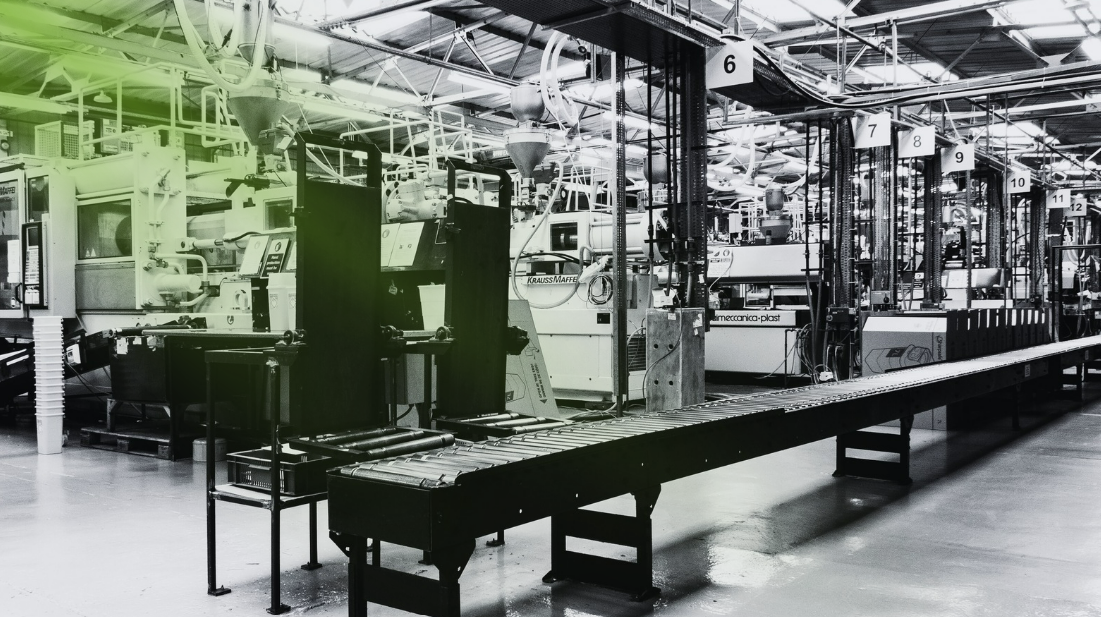
Margins in food and drink are won or lost on the factory floor, but not in the abstract. They are determined by how effectively leadership manages four constant pressures: Overall Equipment Effectiveness (OEE) as the scoreboard, changeovers as the primary constraint, hygiene as a non-negotiable boundary, and retailer expectations as the external rulebook. Technology investments matter, but without leadership that can balance these forces in real time, gains rarely sustain.
Reducing downtime and waste in food & drink through better senior leadership recruitment starts with recognising this reality. The strongest leaders do not optimise a single metric in isolation. They understand how OEE is shaped by changeover discipline, how hygiene regimes define production limits, and how retailer codes and service expectations influence every operational decision, from scheduling to quality control. Hiring profiles must reflect this complexity, moving beyond generic operational leadership criteria to target individuals who have delivered measurable results under these exact conditions.
Effective leaders set cadence and discipline across planning, production, engineering, quality, and supply chain, but crucially, they do so within the constraints of high-care environments and retailer scrutiny. They embed structured routines, enforce standard work, and elevate maintenance, while ensuring hygiene and allergen controls remain uncompromised. In this context, the speed at which issues are detected, escalated, and resolved is not just an operational capability, it is a leadership outcome.
Leaders who consistently reduce downtime and waste are those who make these pressures visible and manageable. They build clear loss trees tied to OEE, engineer and rehearse changeovers that respect sanitation requirements, and use data from MES, SCADA, and ERP systems to focus teams on the largest sources of loss. Just as importantly, they create accountability for balancing performance with compliance, ensuring that improvements in throughput never come at the expense of food safety, audit readiness, or retailer trust. This is the core of reducing downtime and waste in food & drink through better senior leadership recruitment.
How Senior Leadership Unlocks Operational Performance
Effective leaders set cadence and discipline. They align planning, production, engineering, quality, and supply chain behind a clear mandate, standardise work, elevate maintenance, and invest in capability. In a market shaped by stringent hygiene, retailer codes, and regulatory pressures, the speed at which issues are detected, escalated, and solved is a leadership outcome.
Leaders who embed continuous improvement create robust routines, rigorous scheduling, and accountability for OEE, yield, and right-first-time quality. Changeovers are engineered and rehearsed, hygiene and allergen controls are non-negotiable, and data from MES, SCADA, and ERP focus effort on the biggest loss buckets.
Illustrative outcomes:
- A dairy site with repeated changeover stoppages appoints an Operations Director who implements SMED, cross-trains crews, and introduces a visual management hub. Changeover time falls 38%, unplanned downtime reduces 22% in six months, and product giveaway tightens through improved controls.
- A craft beverages plant elevates maintenance to a board KPI, adopts condition-based monitoring, and restructures spares. Mean time between failures rises 30%, with a 12% reduction in waste from partial batches.
Leadership practices that cut losses include:
- Clear loss trees with ownership by line and function
- Operator capability for first-line maintenance and autonomous cleaning aligned to hygiene standards
- Supplier performance reviews to reduce material defects and variability
- Digital dashboards for real-time yield, giveaway, and OEE tracking
- Cross-functional daily reviews to unblock bottlenecks before they become downtime
- Incentives tied to measurable outcomes such as changeover reduction, audit scores, and OEE
Recruitment Challenges Unique to Food & Drink
Senior hiring in this sector is constrained by location requirements for plant-based roles, a tight talent market, and the need to balance compliance, hygiene, and retailer expectations with modern manufacturing methods. Generic briefs detached from line realities create mis-hires, particularly where candidates lack experience operating under the combined pressures of OEE delivery, hygiene constraints, and retailer scrutiny.
The capability mix that predicts success is specific:
- End-to-end supply chain perspective, from S&OP to customer OTIF
- Proven uplift in OEE, yield, and right-first-time quality with evidence at SKU and line level
- Lean and CI adapted for high-care, allergen-sensitive environments
- Data literacy across MES, SCADA, and ERP, translating insight into daily shopfloor action
- People leadership that builds engagement, safety, and food safety culture under audit pressure
- Change leadership for automation, digital traceability, and rapid changeovers
Overcoming obstacles requires clarity and speed. Define the performance mandate up front, for example:
- Reduce unplanned downtime by 15% within year one
- Cut material waste by 1.5% of COGS while maintaining hygiene and audit scores
- Improve average changeover time by 25% and increase OEE by 5–10 points
Use competency scorecards aligned to these outcomes. Run structured interviews with scenario walk-throughs and use the STAR technique to surface evidence of impact. Validate achievements with plant metrics via references and invite candidates for realistic site tours to test judgement on hygiene, allergen risk, and retailer audit readiness.
Attracting High-Calibre Senior Leaders
Exceptional leaders join organisations with a clear operational mission and the autonomy to deliver it. Build an employer brand that showcases safety, hygiene excellence, sustainability, investment in automation, and internal progression.
Share credible case studies:
- OEE lifts on high-speed packaging
- Changeover reductions on multi-SKU lines
- Packaging waste cuts
- Energy savings from optimised shutdowns
Targeted sourcing matters:
- Partner with executive search specialists who understand high-care production and retailer codes
- Leverage alumni, suppliers, and OEM networks to reach passive talent
- Publish practical insights on SMED, hygiene by design, and OEE diagnostics
Assessment should generate signal, not noise. Use plant data to anchor exercises: a loss-tree prioritisation case, a SMED design for a complex changeover, or a hygiene-to-production scheduling trade-off.
Offer packages must reflect the brief. Blend competitive base with performance incentives linked to:
- OEE uplift and sustained reduction in unplanned downtime
- Changeover time and variance reduction
- Yield, giveaway, and waste improvements balanced with hygiene and audit performance
- Team engagement, retention, and safety outcomes
The Financial Case for the Right Leader
Downtime and waste convert directly into lost throughput, higher labour per unit, scrap, and energy inefficiency. A capable senior leader rapidly surfaces and sequences the largest losses.
Consider a mid-size baked goods plant running at 58% OEE with 6% material waste. With effective leadership, OEE lifts to 68%, and waste falls to 4.5% within 12 months. On £60m revenue, that equates to £1–2m contribution via throughput and approximately £900k in material savings.
Benefits compound over time:
- More reliable assets reduce overtime and agency reliance
- Stable processes improve audit scores, hygiene compliance, and customer OTIF
- Optimised changeovers enable SKU rationalisation and lower inventory
- Embedded CI builds internal capability so gains persist
Align Hiring Profiles to Real Operational Pressures
Role profiles must mirror plant realities. In food and drink, that means explicit experience with:
- OEE diagnostics and tiered performance reviews linking shopfloor actions to daily and weekly targets
- Changeover engineering and SMED, including sanitation windows and allergen clean-downs
- Hygiene and food safety leadership, audit preparedness, and retailer code compliance
- Retailer pressures on service, specification, packaging waste, and sustainability reporting
- Integrated planning that balances throughput, hygiene downtime, and labour deployment
Translate these into evidence requirements in the brief:
- Specific OEE uplift examples
- Before-and-after changeover data
- Audit outcomes and compliance performance
- Evidence of balancing hygiene constraints with service and cost
Replace generic leadership claims with verified metrics and artefacts such as loss trees, standard work, and CI project charters.
Next Steps
Start by defining the operational mandate and the metrics that matter. Build a role profile and assessment process that tests real capability against OEE, changeover performance, hygiene standards, and retailer expectations. Strengthen your employer brand with authentic operational stories, streamline decision-making, and link rewards to sustainable improvement.
Institutionalise improvement through monthly leadership reviews of loss trees, visible KPI dashboards on the shopfloor, and targeted investment in first-line problem solving and autonomous maintenance. Track impact against agreed baselines with a quarterly benefits review signed off by finance.
If internal capacity is stretched or you need access to proven senior talent with direct food & drink experience, consider partnering with a specialist. Technical Network brings deep sector expertise across manufacturing and supply chain, with a strong track record in placing leaders who deliver measurable improvements in OEE, changeover efficiency, hygiene compliance, and retailer performance.
For a confidential discussion on your hiring plans or current operational challenges, you can contact Grady Izatt directly at grady.izatt@technical-network.co.uk.